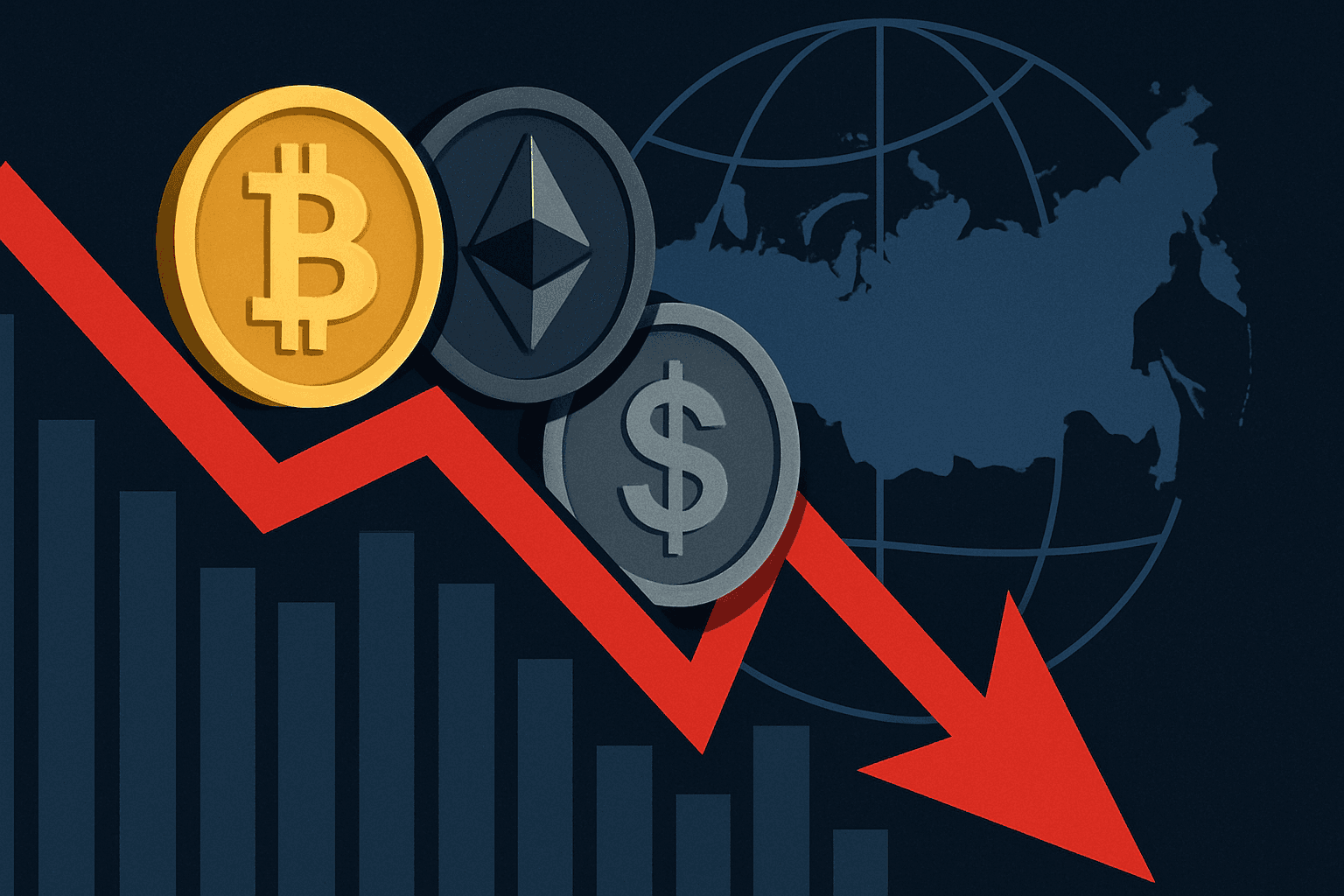
Russia’s Central Bank proposes limiting retail crypto to Bitcoin, Ethereum and USDT
A draft bill due to take effect in 2026 would pair a narrow retail whitelist with fees, tests and possible platform restrictions aimed at steering Russian crypto trading toward licensed domestic venues.
Russia is preparing a crypto bill that would let non-qualified retail investors trade only Bitcoin, Ethereum and USDT while using fees, investor tests and transfer restrictions to discourage trading in what officials call “unfriendly” foreign-issued tokens. Deputy Minister of Finance Ivan Chebeskov said the draft will include “economic incentives, such as commissions or recommendations” for assets issued by companies that can freeze holdings at the request of foreign authorities. The bill is expected to pass the State Duma in June and take effect on July 1, 2026. Under the proposal, retail investors would face a 300,000-ruble annual cap, have to pass a test and remain limited to the three approved tokens, while professional and institutional investors would retain broader access. Central Bank First Deputy Governor Vladimir Chistyukhin said there were no immediate plans to expand the retail list beyond Bitcoin, Ethereum and USDT, with ruble-linked stablecoins set to take precedence over foreign ones. Officials are also moving toward mandatory exchange licensing from July 1, with foreign platforms lacking a Russian permit and physical offices at risk of being blocked. Analysts and legal experts cited in outside reports said that could redirect substantial trading activity and fee income from overseas exchanges to state-backed or licensed domestic platforms. The policy push comes as sanctions pressure on Russian crypto infrastructure grows and regulators seek tighter control over cross-border flows.
- stablecoins: Digital tokens designed to hold a steady value, typically by being linked to a fiat currency.
- qualified-investor status: A regulatory classification that determines whether an investor can access a wider range of financial products than ordinary retail users.
- mandatory exchange licensing: A regulatory system requiring trading platforms to obtain official approval before legally offering services in a market.