UK, France, Germany and Italy ready to lift Iran sanctions after US-Iran deal
A temporary peace deal has eased oil-supply fears and supported risk sentiment, including in crypto markets, though unresolved nuclear issues and implementation questions continue to cloud the outlook.
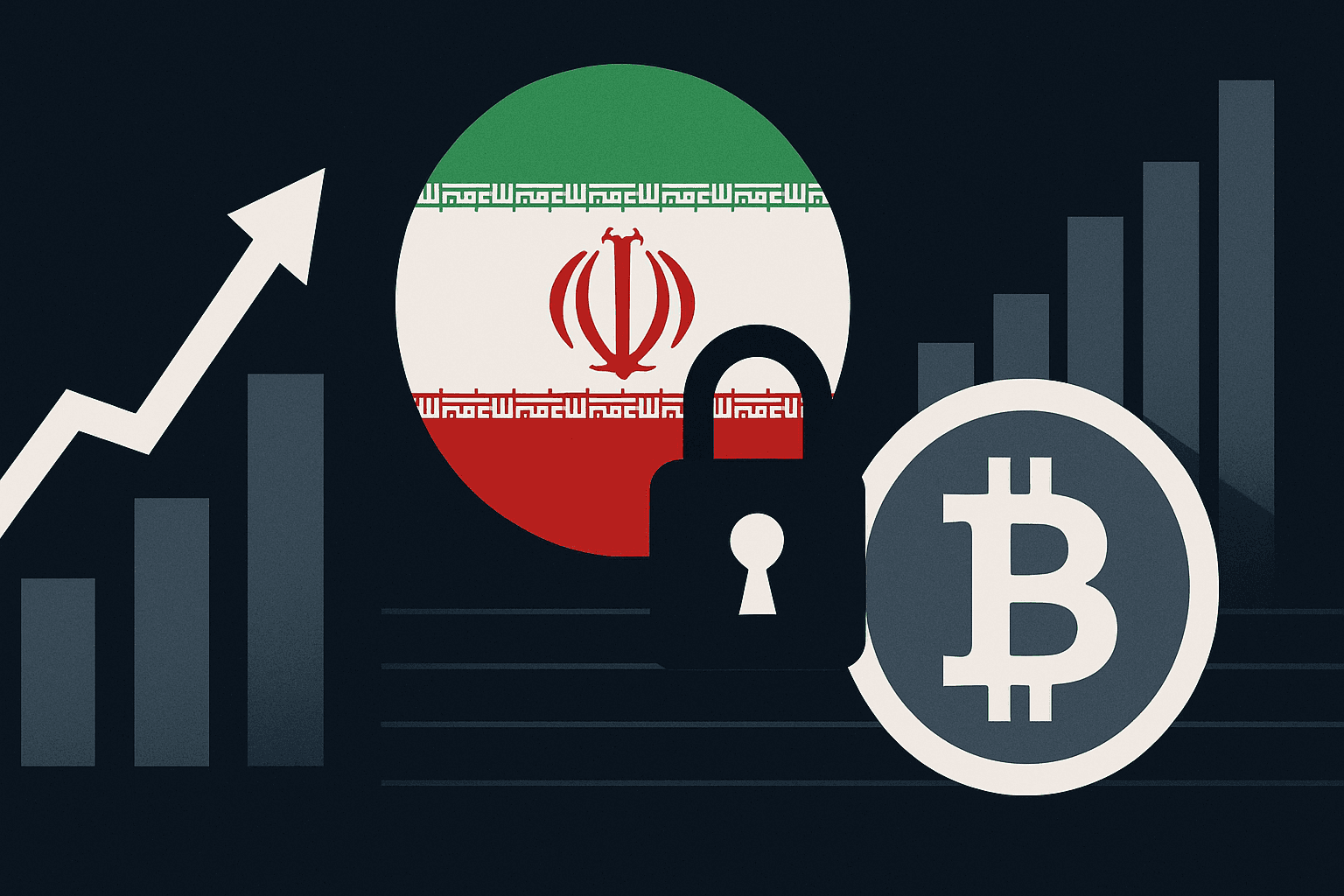
The U.S.-Iran agreement is increasingly being viewed not only through the lens of energy and regional security, but also as a support for broader risk appetite in financial markets. Existing reporting had already described a draft deal or memorandum of understanding aimed at halting hostilities, constraining Iran’s nuclear program and reopening key trade and shipping channels, with possible sanctions waivers for banking, shipping and insurance and a path for Iran to resume oil exports. European powers including the UK, France, Germany and Italy were also described as ready to lift sanctions after a U.S.-Iran deal. The latest update adds that the arrangement is being framed as a temporary peace deal that has eased global oil-supply concerns, helping risk sentiment across markets and reinforcing the earlier view that lower geopolitical stress can benefit crypto assets such as Bitcoin. At the same time, unresolved nuclear issues are still keeping geopolitical tensions elevated, underscoring that the market reaction rests on a fragile diplomatic backdrop. The broader picture remains one of cautious optimism: lower perceived geopolitical risk may support crypto and other speculative assets, but markets are still watching for detailed nuclear negotiations, formal implementation and confirmation that de-escalation will hold.
- risk appetite: Investors’ willingness to buy assets that can deliver higher returns but carry greater uncertainty.
- memorandum of understanding: A preliminary agreement that outlines shared intentions before a final binding deal is completed.
- sanctions waivers: Temporary exemptions from economic restrictions.