Tehran and Washington sign 60-day ceasefire to reopen Strait of Hormuz
Oil prices fell as traders assessed a signed U.S.-Iran ceasefire, a planned Geneva ceremony and a U.S.-backed tanker transfer network that had helped keep Gulf crude exports moving while transit through the chokepoint remained constrained.
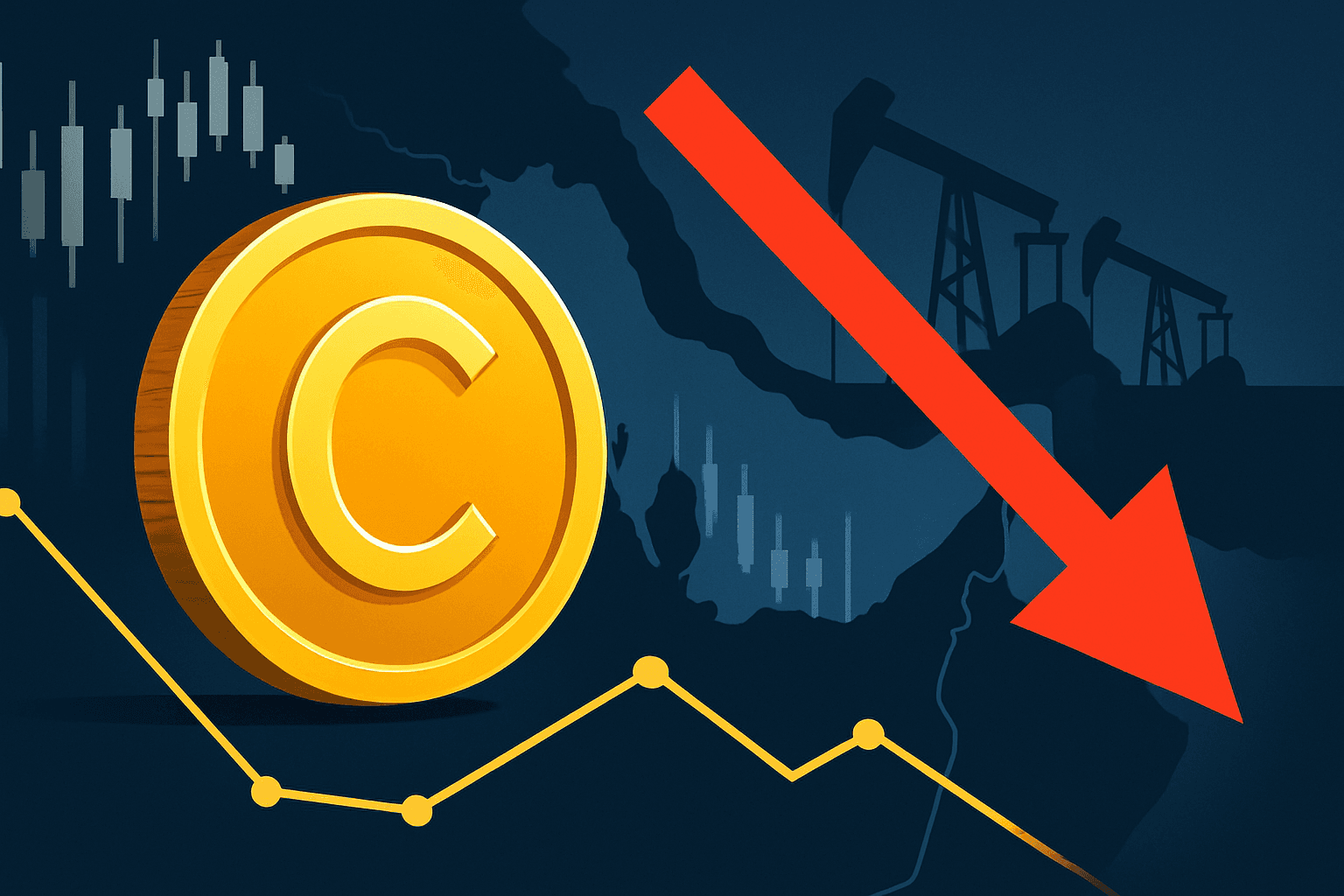
Tehran and Washington reached a 60-day ceasefire tied to the reopening of the Strait of Hormuz, a critical oil shipping chokepoint, and oil prices fell as markets weighed the prospect of restored transit. The newer report said Brent crude dropped 1.25% to $82.13 and July WTI fell 1.41% to $79.67, while the older report said oil fell 3%; both described a market retreat after the truce news. Trump said at the G7 meeting in Évian-les-Bains that the agreement was signed, that the strait would “completely reopen” by Friday and that Iranian payments for passage would end, while a signing ceremony was scheduled for Friday in Geneva. Morgan Stanley cut its oil-price forecasts, reflecting expectations that the reopening could steady crude prices, ease inflation and shipping costs, and reduce input-cost pressure for energy-intensive industries, though lower prices could pressure higher-cost producers. Separately, the United States had already been using a military-supported tanker transfer network near Fujairah in the United Arab Emirates and Sohar in Oman to keep Gulf exports moving before the truce, highlighting that disruption risks and relief could both prove temporary if tensions return.
- Strait of Hormuz: A key Gulf oil shipping chokepoint through which a significant share of global crude shipments passes.
- VLCCs: Very Large Crude Carriers used for long-haul oil transport.
- oil-price forecasts: Projected future crude price levels used by banks and investors to assess market direction.