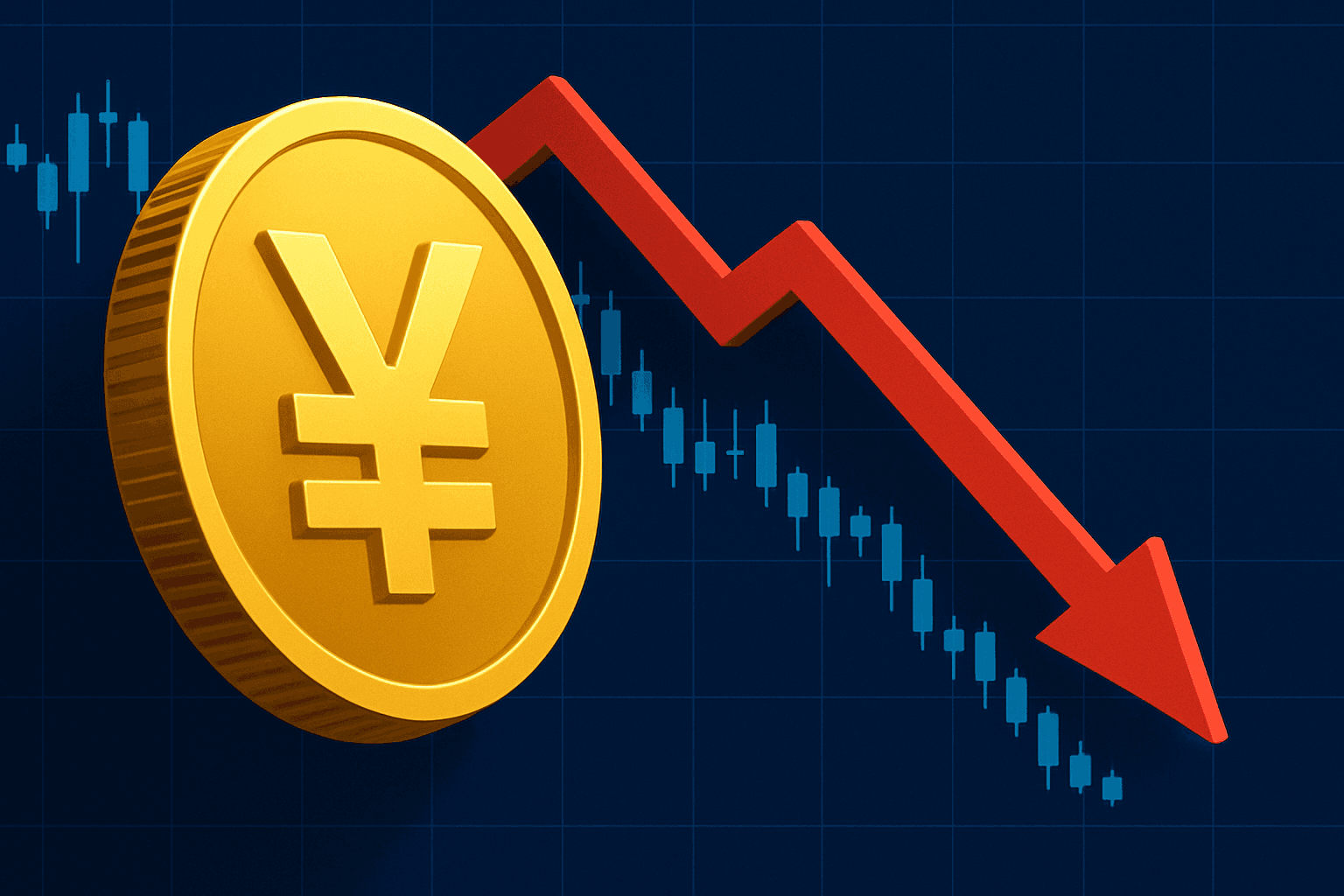
Analyst says orderly yen slide leaves intervention case less compelling
Japan's finance minister reiterated readiness to act on currency moves as the yen traded near 161 per dollar and benchmark JGB yields climbed to a near 30-year high.
Japan's finance minister reiterated that authorities stand ready to respond to currency moves at any time, keeping intervention risks in focus as the yen traded around 161.2 per dollar after touching a 40-year low of 162.84 earlier this week. The yen's decline has been relatively orderly rather than abrupt, making the usual justification for intervention less compelling, according to InTouch Capital Markets senior FX analyst Sean Callow, but traders remain alert after a sudden rebound on Thursday and reports that officials may be shifting toward a more surprise-driven approach. Katayama also said Tokyo has remained in close contact with U.S. authorities on foreign-exchange issues. At the same time, she stressed the government's commitment to confidence in the Japanese government bond market and the sustainability of public finances as benchmark JGB yields rose to a near 30-year high, underscoring wider investor concern over Japan's fiscal outlook.
- currency intervention: Official buying or selling in foreign-exchange markets to influence a currency’s value.
- jawboning: Verbal guidance or warnings from policymakers intended to influence market behavior without immediate direct action.
- real yields: Investment returns after adjusting for inflation, a key factor in currency attractiveness.