Middle East eyes seven oil pipelines as Hormuz risk threatens exports
Saudi Arabia has raised crude exports via the Red Sea after the Strait of Hormuz closure, but renewed Houthi threats to Bab el-Mandeb are exposing the limits of alternative routes.
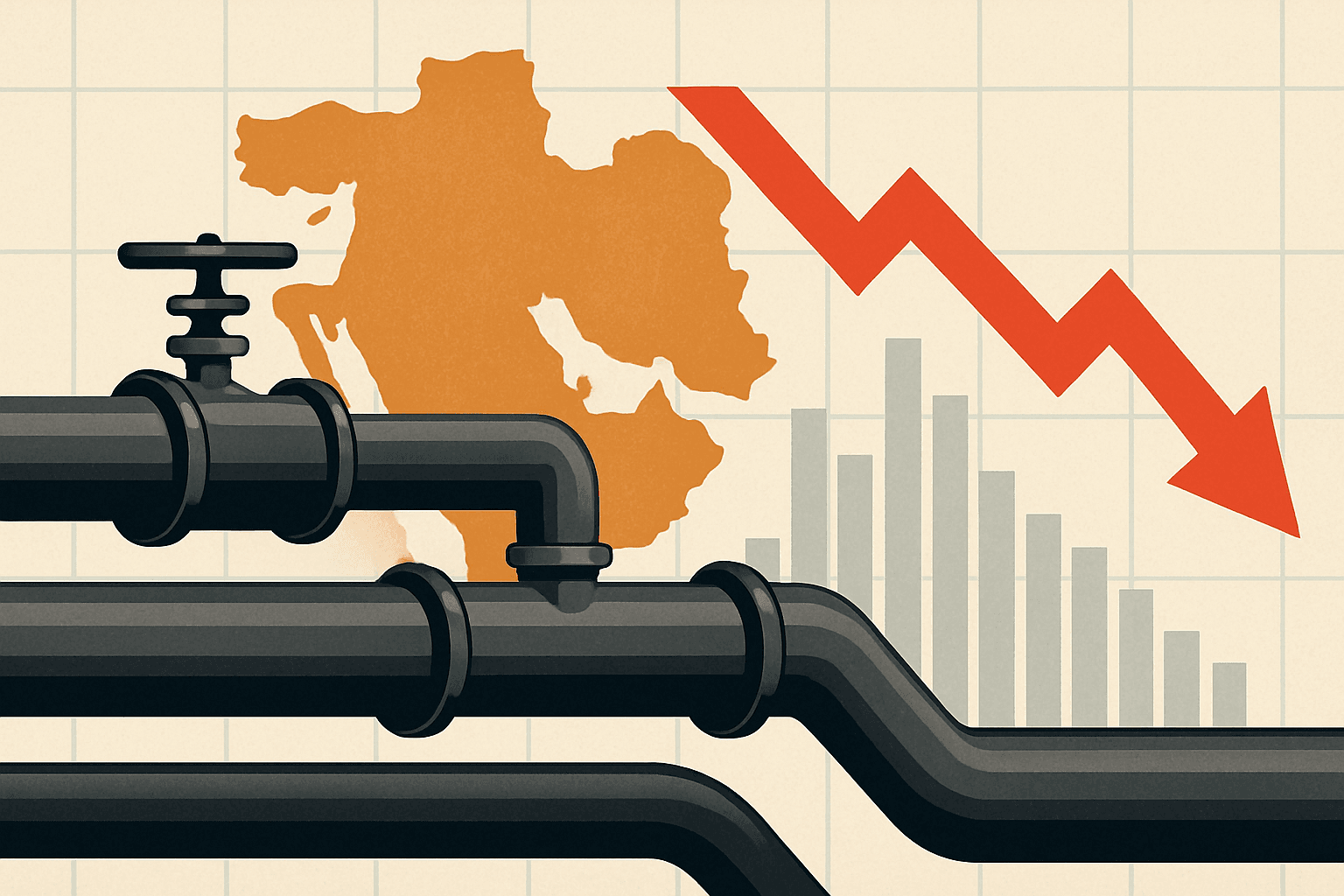
Middle East oil producers are pursuing or considering seven pipeline projects to reduce reliance on the Strait of Hormuz as the U.S.-Iran war disrupts Gulf crude flows, but rising threats to the Red Sea are reinforcing warnings that alternative routes remain exposed. Saudi Arabia has increased crude shipments through its East-West Pipeline to the Red Sea port of Yanbu, maintaining exports of about 4.6 million barrels a day after the Strait of Hormuz was closed, versus a prewar level of 7.3 million barrels a day. The latest risk is a renewed confrontation between Saudi Arabia and Yemen’s Houthis near the Bab el-Mandeb Strait after both sides exchanged strikes, raising the prospect of attacks on vessels, ports and oil facilities. Analysts and officials say simultaneous disruption at Hormuz and Bab el-Mandeb would threaten the Middle East’s two main oil arteries, while Capital Economics warned prolonged shipping disruption through both straits could push the global economy into recession.
- Strait of Hormuz: A vital Gulf shipping chokepoint for crude exports from major Middle East producers.
- Bab el-Mandeb Strait: A narrow maritime passage linking the Red Sea to the Gulf of Aden and a key route for tankers leaving the Red Sea.
- East-West Pipeline: Saudi Arabia’s cross-country crude pipeline that moves oil from eastern fields to the Red Sea for export.