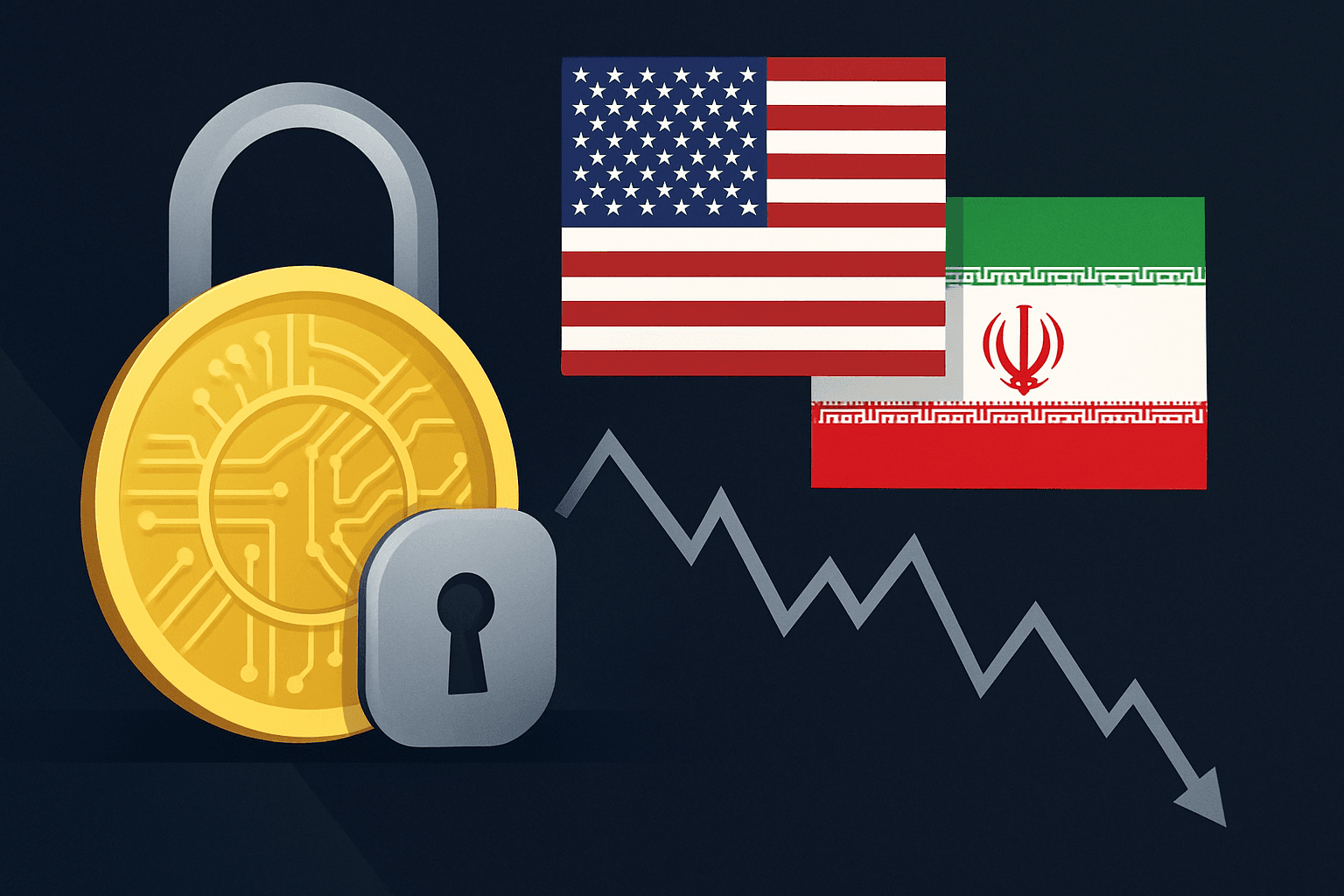
U.S. Treasury freezes $130 million crypto wallets linked to Iran’s IRGC
Treasury Secretary Scott Bessent said the action is part of a broader U.S. effort to disrupt financial networks tied to Iran and the Islamic Revolutionary Guard Corps as sanctions pressure intensifies.
The U.S. has frozen a $130 million cryptocurrency wallet linked to Iran’s Islamic Revolutionary Guard Corps, Treasury Secretary Scott Bessent said, in what he described as part of a broader campaign targeting financial networks associated with Iran. The move underscores Washington’s use of digital-asset controls as a sanctions-enforcement tool and points to continued pressure on channels tied to the IRGC. The freeze is notable for its size and comes amid ongoing adversarial relations between the United States and Iran. The latest action suggests heightened sanctions enforcement and may complicate nuclear diplomacy, with current market pricing indicating a lower perceived likelihood of a U.S.-Iran nuclear deal by Aug. 13, 2026. The development also reinforces how crypto can be both a sanctions-evasion route and a point of enforcement when authorities or token issuers are able to trace or block funds. Investors will be watching for any official response from Iran, additional U.S. measures and fresh public comments from negotiators that could shift sentiment around the nuclear talks.
- digital-asset controls: Measures used by authorities or issuers to trace, restrict or freeze activity involving crypto assets.
- sanctions-enforcement: Government action to identify, block or penalize transactions and networks linked to sanctioned entities.
- nuclear deal: A diplomatic agreement aimed at limiting Iran’s nuclear program in exchange for sanctions relief or other concessions.