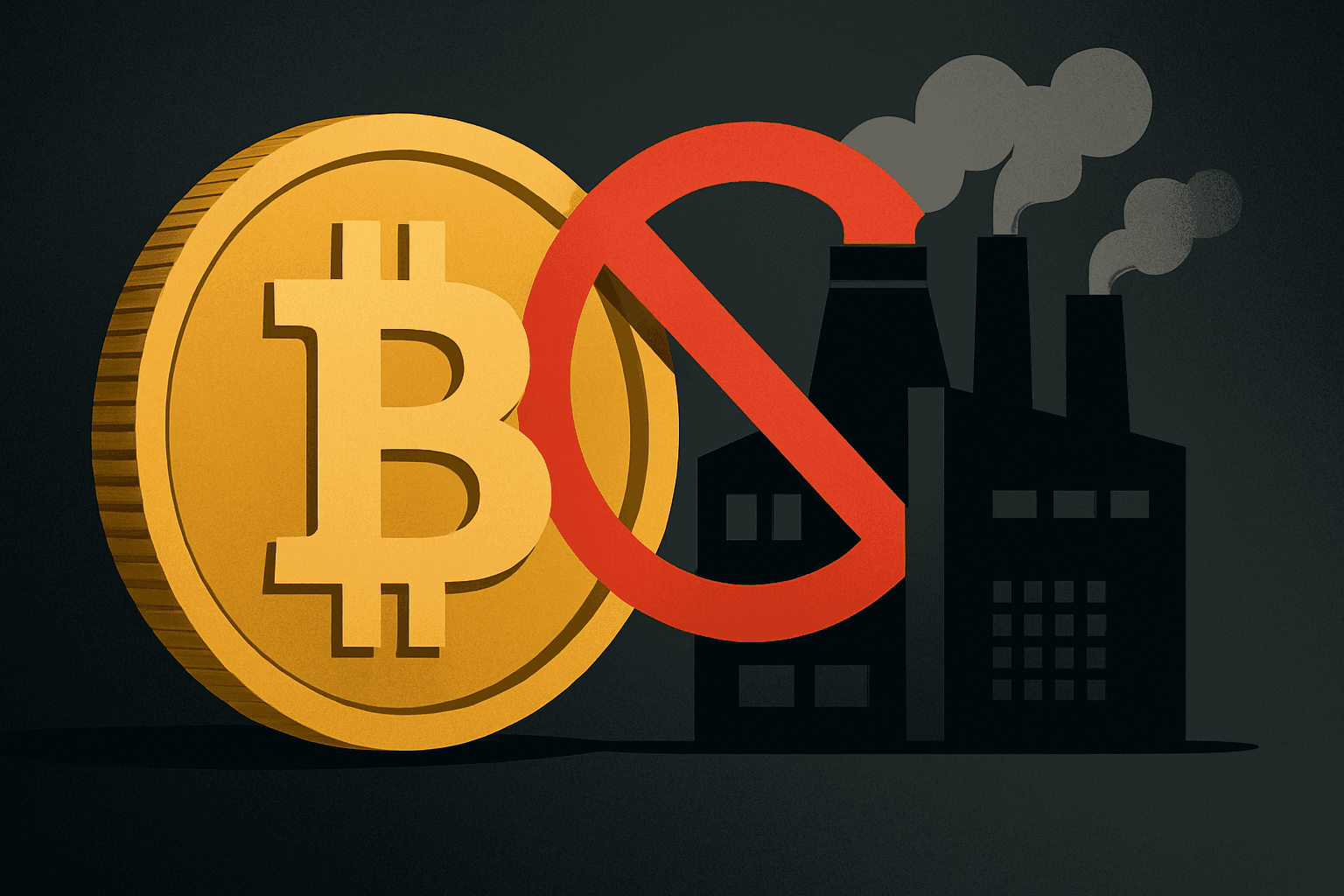
Mount Carmel bans crypto mining and data centers amid U.S. local pushback
A July 23 unanimous vote by Mount Carmel’s mayor and city council in Tennessee cited risks to infrastructure, public utilities and residents’ quality of life, adding to a broader wave of municipal restrictions.
Mount Carmel has barred cryptocurrency mining operations and data centers after the town’s mayor and city council in Tennessee unanimously approved an ordinance on July 23, extending a growing pattern of local resistance in the United States to energy-intensive digital infrastructure. In the resolution, the city government said the ban was intended to protect infrastructure, public utility systems and residents’ quality of life, while Mayor John Gibson said mining facilities and data centers would bring no benefit to the community. The action adds to wider debate over electricity demand, noise, water usage, environmental effects and pressure on rural neighborhoods. A nearby dispute in Mt. Carmel Township, Pennsylvania, drew hundreds of residents to public meetings over proposed data center developments, with residents warning about impacts on homes, forests and community character and calling for stricter zoning rules, larger buffer zones and tougher penalties for violations. Similar measures have surfaced elsewhere. The Town of Manlius in New York approved a one-year moratorium on data centers and commercial cryptocurrency mining, citing concerns over power demand, water consumption, environmental impacts and rising utility costs. Morgan County, Alabama, temporarily halted data center and crypto mining projects after opposition to a proposed Bitcoin mining facility focused on noise, infrastructure strain, road impacts and the industrialization of residential areas. St. Joseph, Tennessee, passed an ordinance banning data centers, artificial intelligence computing facilities, cryptocurrency mining operations and similar high-intensity digital infrastructure within city limits. The backlash now extends beyond crypto mining as the expansion of AI-driven data centers intensifies a national debate over whether communities should host computing facilities that require large amounts of electricity and water. For the crypto sector, the trend adds another obstacle as Bitcoin mining companies look for places with cheap power and available land, even as operators say such projects can bring investment, tax revenue and economic activity.
- cryptocurrency mining: Using computing power to validate transactions and earn tokens.
- data centers: Facilities that house large-scale computing and storage equipment.
- moratorium: A temporary halt on an activity or development.