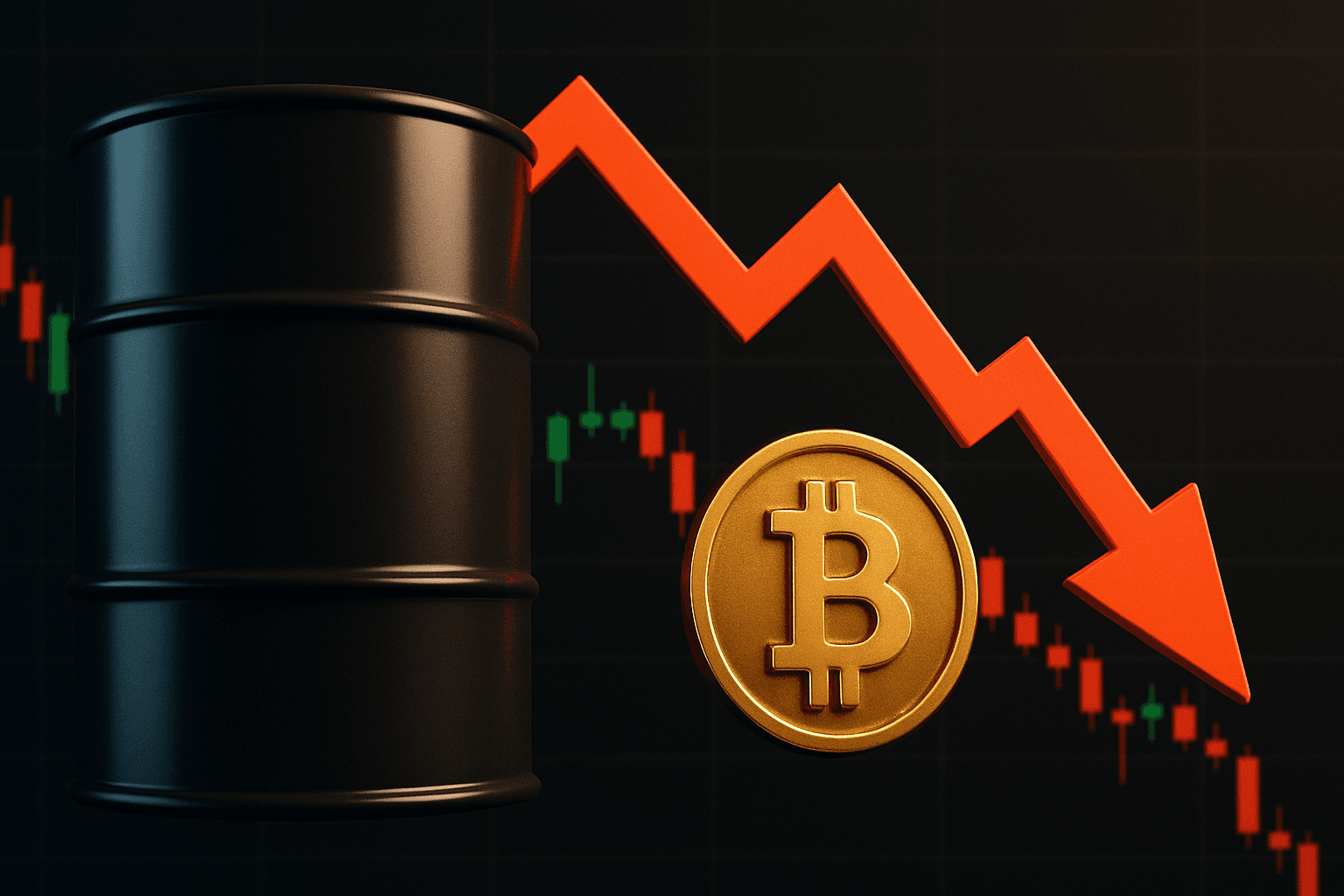
Oil falls as U.S.-Iran pause holds and Caspian exports resume
Crude rebounded more than $2 a barrel after a sharp selloff as U.S. stockpiles fell and OPEC+ was seen likely to pause output increases, even with Hormuz diplomacy still in focus.
Oil prices rebounded by more than $2 a barrel in early Wednesday trade after a sharp previous-session selloff, supported by a reported 3.3 million-barrel drop in U.S. crude inventories and expectations that OPEC+ may halt planned output increases for three months starting in October. Brent rose $2.71, or 3.2%, to $86.80 a barrel at 0002 GMT, while U.S. West Texas Intermediate gained $2.26, or 3.4%, to $81.95. The bounce followed a roughly 5% drop on Tuesday to a two-week low as hopes for renewed diplomacy between Washington and Tehran reduced some of the geopolitical risk premium tied to disruption in the Strait of Hormuz. President Donald Trump said there were “good talks” with Iran but warned of more strikes if negotiations fail, while Iran denied it is seeking to resume talks with the United States. A Gulf source and a Western diplomat also said Oman has presented Iran with a plan, backed by Gulf states, to manage the strait through voluntary user fees as a basis to restore trade through the passageway.
- geopolitical risk premium: The extra price traders build into oil when conflict or political tensions threaten supply.
- OPEC+: The alliance of OPEC members and other oil producers that coordinates output policy.
- Strait of Hormuz: A strategic Gulf shipping route that carries a large share of global oil exports.