Europe drought pushes Rhine choke point to record low, threatening German trade and industry
Germany's key Kaub gauge is forecast to fall to 18 centimeters, below the previous 2018 record, worsening Rhine shipping disruption and adding to broader concerns about European growth and industrial supply chains.
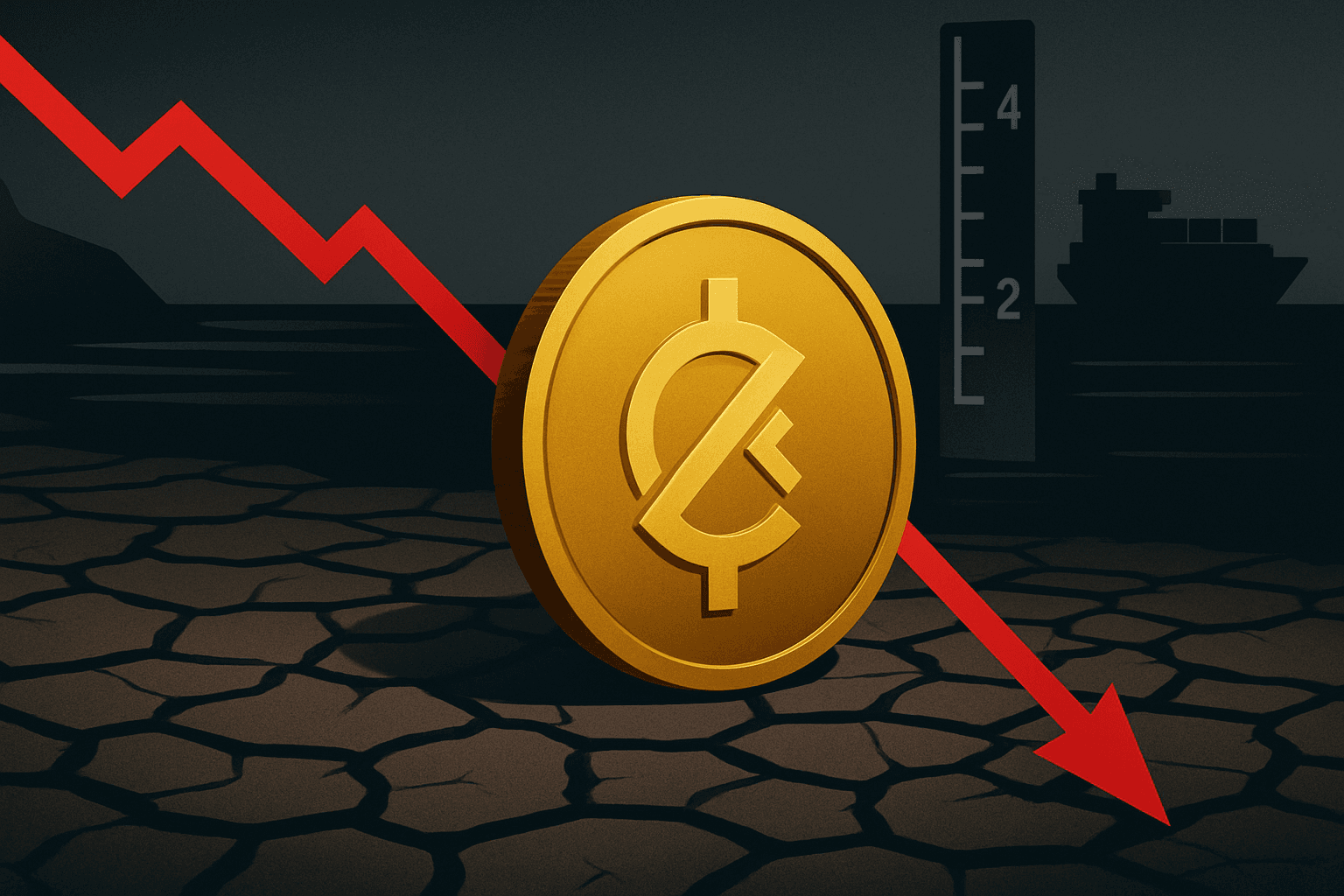
An intensifying drought is worsening disruption on the Rhine, with Germany's key Kaub gauge forecast to fall to 18 centimeters on Aug. 7, below the previous record-low daily average of 25 centimeters set in October 2018. The low water is constraining cargo vessels to sharply reduced loads, lifting freight rates and surcharges, delaying deliveries and increasing the risk of disruption for chemicals, steel and petroleum supply chains. Economists say prolonged bottlenecks could trim German third-quarter GDP by 0.1% to 0.2%, while the broader European drought is also straining energy generation, river transport and growth across the region.
- Kaub gauge: A key Rhine water-level measurement point near the Loreley in Germany that is closely watched because it is a critical bottleneck for inland shipping.
- Inland shipping surcharge: An extra fee charged on top of normal freight rates when low water reduces vessel capacity and raises transport costs on rivers such as the Rhine.
- Third-quarter GDP drag: An estimated reduction in economic output during the third quarter caused here by logistics disruption, higher transport costs and delayed industrial deliveries.