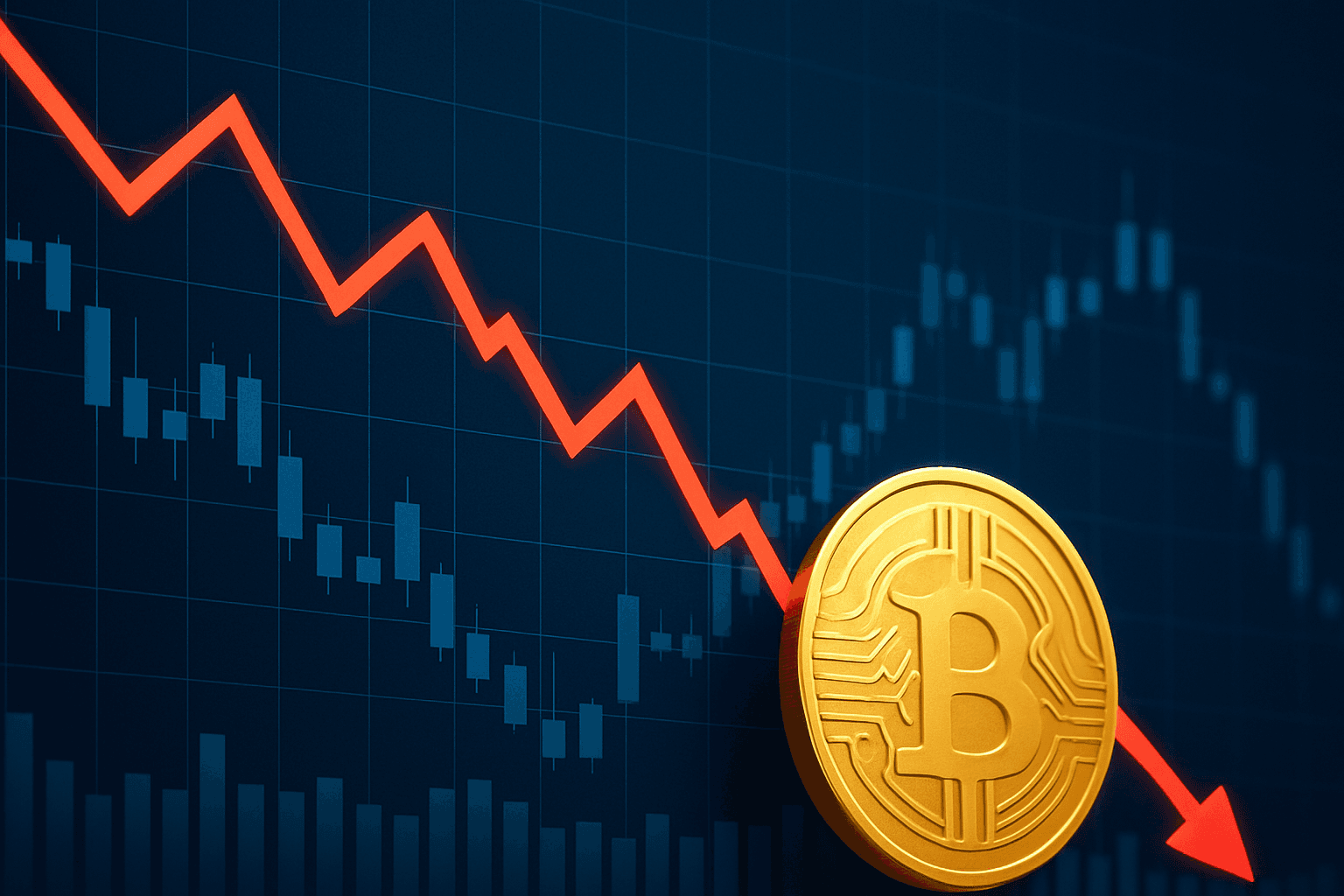
KOSPI, Nikkei reverse early gains as memory-chip selloff deepens after Wall Street drop
South Korean and Japanese benchmarks stayed under pressure as investors cut AI-linked chip exposure, while U.S. payrolls, Fed expectations and Strait of Hormuz developments kept broader risk sentiment fragile.
Asian equities traded unevenly on Friday as a prolonged unwind in artificial intelligence-linked semiconductor stocks kept pressure on South Korean and Japanese benchmarks, even as mainland Chinese shares rose and Singapore was supported by bank earnings. The KOSPI fell about 1.2% in the final session of the week, extending its cumulative weekly loss past 6% and leaving it on track for a seventh straight weekly decline, with SK Hynix down more than 4% and Samsung Electronics only partly recovering after earlier losses. Japan's Nikkei 225 also slipped about 1%, led lower by technology names including Kioxia, Murata Manufacturing and TDK, while Fujifilm Holdings plunged nearly 18% after saying it was considering a partial spinoff of its imaging business. The weakness followed a mixed Wall Street session in which the Nasdaq ended a winning streak after quarterly results from SpaceX and Advanced Micro Devices failed to satisfy elevated investor expectations. That reaction reinforced doubts over whether near-term earnings can justify the high valuations attached to AI-related companies despite heavy spending on data centers and infrastructure. Mainland Chinese stocks outperformed, with the CSI 300 up about 1% and the Shanghai Composite higher by roughly 0.4%, while Hong Kong slipped and insurers remained under pressure after reports that Chinese authorities had begun enforcing taxes on investment income from offshore insurance policies. Investors were also watching U.S. labor-market data ahead of the July nonfarm payrolls report, expected to show about 80,000 jobs added, after ADP reported private-sector hiring of 44,000 in July and jobless claims stayed below 200,000 for a third week. Futures markets were pricing in about a 54% chance of a Federal Reserve rate hike in September, while benchmark 10-year Treasury yields edged down to 4.609%. Oil prices rose as tensions around the Strait of Hormuz remained in focus, with Brent near $79.01 a barrel and WTI around $74.73, while gold climbed for a fourth straight session as investors sought havens amid the equity volatility.
- high-bandwidth memory chips: Specialized memory used to transfer data quickly in advanced processors, making it important for artificial intelligence hardware.
- nonfarm payrolls: A monthly U.S. employment report that tracks job growth outside the farm sector and often influences interest-rate expectations.
- Strait of Hormuz: A critical shipping route for global oil flows, where geopolitical disruptions can move energy prices and market sentiment.