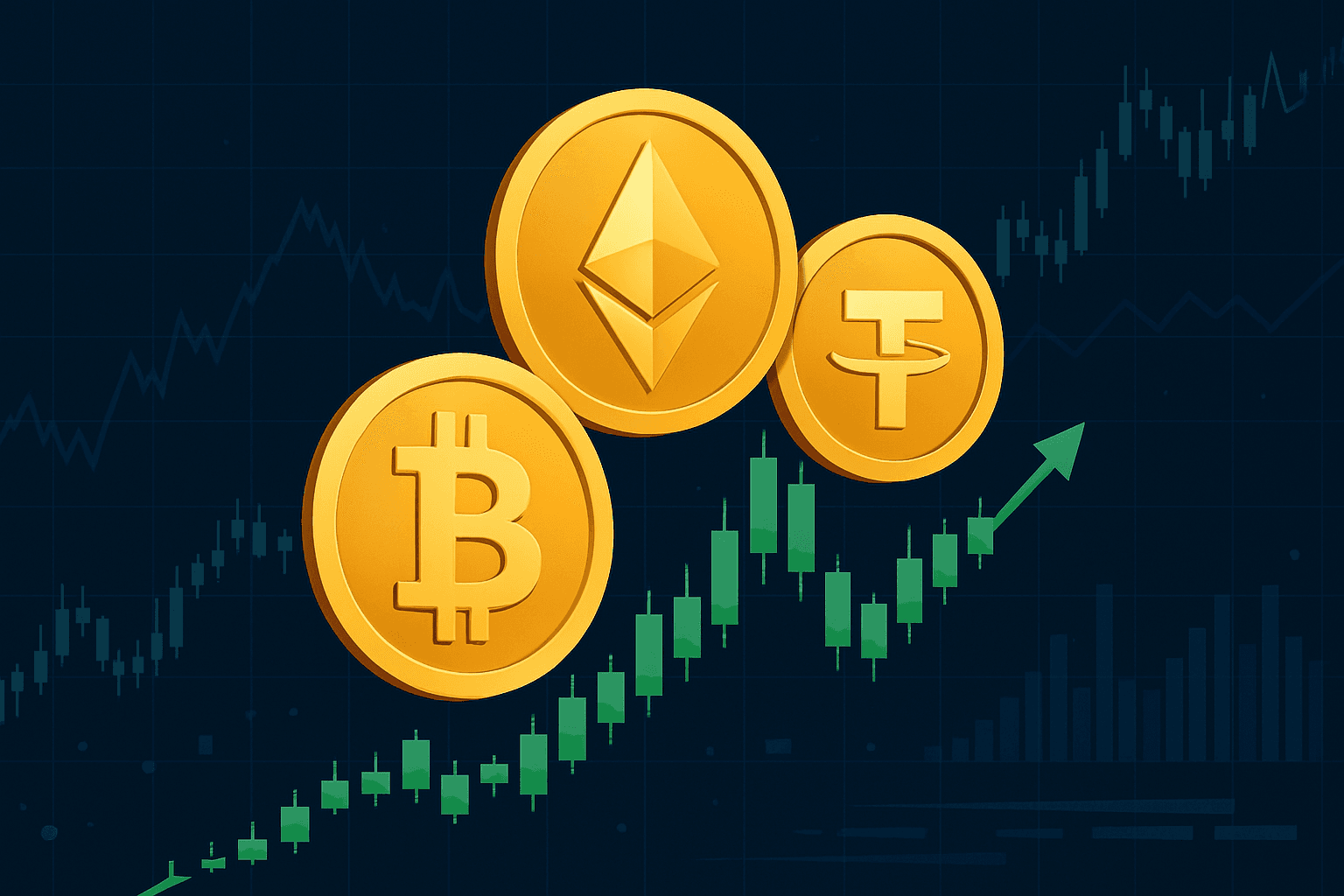
Bank of Russia proposes regulated trading in Bitcoin, Ethereum and USDT, leaving XRP off the draft list
Draft rules under Russia's new crypto law would confine public exchange access to three assets, while purchase caps, investor testing and phased infrastructure rules keep tighter controls on retail participation.
Russia's central bank has proposed allowing Bitcoin, Ethereum and Tether's USDT to trade on regulated exchanges under the country's new digital asset law, marking a shift from its earlier push for an outright retail ban while still keeping public access tightly controlled. The Bank of Russia published the draft framework on Aug. 11, one week after President Vladimir Putin signed the law on Aug. 4, and used market capitalization, average daily trading volume and at least five years of pricing history on overseas platforms to select the initial list. Tokens outside that group, including XRP, are not part of regulated public exchange trading under the draft. Non-qualified investors would be limited to buying up to 300,000 Russian rubles per year through each intermediary and could access only the three listed assets, while qualified investors would be able to trade any cryptocurrency available on organized or over-the-counter markets without reported purchase limits. All investors would have to pass a knowledge test and acknowledge crypto risks before trading. The consultation period runs until Aug. 24, 2026. The framework is being built alongside a broader market infrastructure. The law is expected to take effect mainly on Sept. 1, 2026, while crypto exchange services must be Russian legal entities with at least 15 million rubles in own funds and eventually be included in the Bank of Russia's register, with some transitional periods extending into 2027. The law keeps Russia's ban on using digital currencies and digital rights as a means of payment domestically, while preserving exceptions including certain foreign-trade settlements between residents and non-residents.
- stablecoin: A digital token designed to maintain a relatively steady value, often by being linked to a fiat currency such as the U.S. dollar.
- non-qualified investors: Investors subject to tighter access rules and purchase limits because they do not meet the criteria for broader market participation.
- over-the-counter markets: Trading venues where assets are bought and sold directly between parties rather than through a centralized exchange order book.