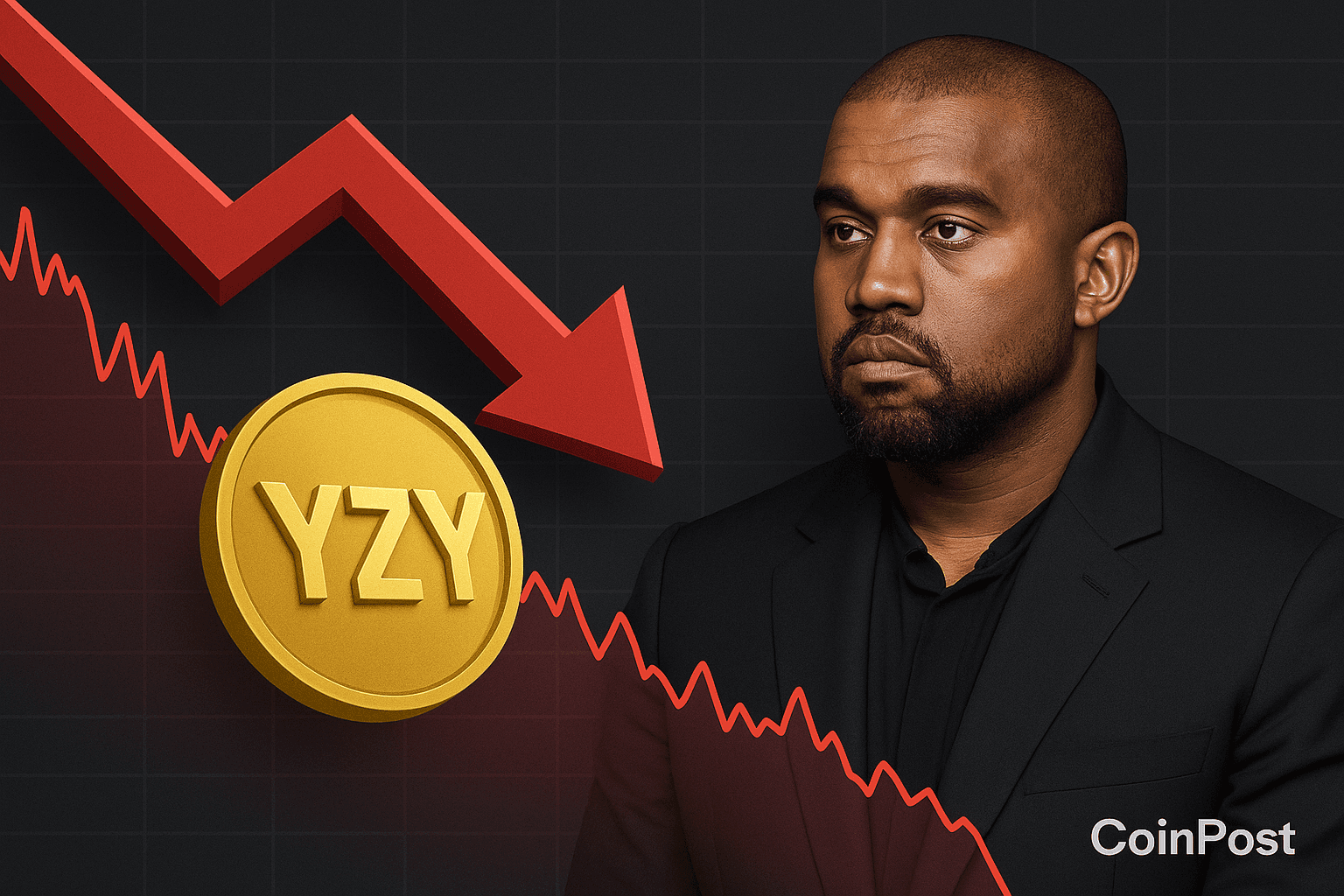
Andrew Tate Opens $175,000 Short Position on Kanye West’s YZY Token
Andrew Tate’s leveraged short on YZY nets $16,000 in profit as the meme coin collapses, while data reveals his broader trading record shows heavy losses exceeding $699,000.
Andrew Tate secured $16,000 in profit from a 3x leveraged short on Kanye West’s YZY token, entered at $0.8524 and now trading near $0.77. However, blockchain analytics show his trading history on Hyperliquid includes 80 trades with only 36.25% profitability and total losses around $699,000. Meanwhile, YZY’s market capitalization, which initially surged to $3 billion within 40 minutes of launch, has fallen to approximately $100 million, with insiders holding over 94% of the supply. Some wallets recorded multimillion-dollar gains, highlighting concentrated ownership and volatility. Tate’s previous ventures in memecoins like Daddy Tate ($DADDY) and Andrew Tate’s Dog ($G) also collapsed after hype-driven peaks.
- Short Position: A trading strategy where an investor bets the price of an asset will decline, profiting if the value drops below the entry price.
- Leverage: The use of borrowed funds to increase the potential return of a trade, amplifying both profits and losses.
- Meme Coin: A cryptocurrency often created as a parody or based on internet culture, gaining popularity through community engagement and social media rather than inherent utility.