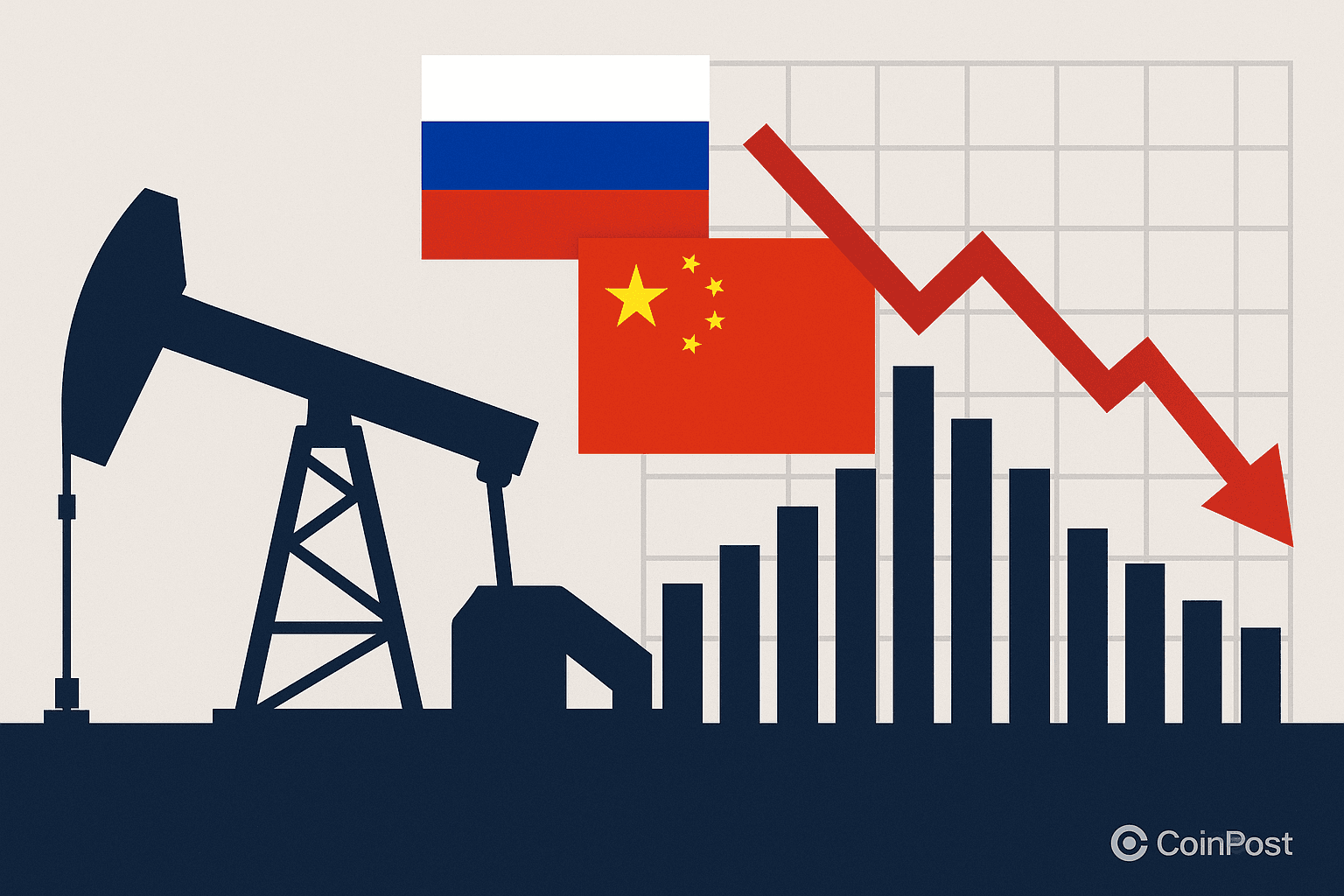
US Sanctions on Russian Oil Giants Impact Chinese Markets
Washington's measures against major Russian oil firms raise concerns over trade flows and energy costs for China.
Fact Check
The provided sources, all of which are from high-authority institutions, consistently and overwhelmingly support the statement. The evidence points to several distinct and measurable effects on Chinese markets resulting directly from US sanctions on Russian oil. First, there has been a fundamental shift in trade patterns and payment systems. Multiple sources confirm that China has significantly increased its purchases of Russian oil, often at a discount, creating what one source calls an 'alternative market of sanctioned oil.' A key measurable effect within this new market is the dramatic shift away from the US dollar to the Chinese yuan for these transactions. This change, explicitly driven by the fear of secondary US sanctions, directly impacts China's currency and financial systems, marking a measurable increase in the yuan's role in international energy trade.Second, the sanctions have directly altered the behavior of Chinese market participants. One report notes that as US sanctions tighten, Chinese refiners have been observed actively seeking alternative oil supplies from other regions. This demonstrates a direct, causal link between US policy and the purchasing decisions within the Chinese market. Furthermore, data on the number of sanctioned tankers being disrupted provides a quantifiable metric of the sanctions' impact on the logistics of supplying oil to China.Third, the sanctions have created specific financial effects. Sources mention that China is engaging in 'oil market arbitrage,' taking advantage of the pricing environment created by the sanctions. This indicates a direct financial impact on Chinese entities involved in the oil trade.In summary, the evidence consistently points to measurable effects in trade volumes, payment currencies, commodity pricing, and the behavior of Chinese refiners, all as a direct consequence of US sanctions against Russian oil. There are no contradictions among the high-authority sources provided.
Summary
No Summary provided as the original text is short
Terms & Concepts
- Sanctions: Government-imposed restrictions or penalties on individuals, companies, or nations, often used to influence political or economic behavior.
- Oil Giants: Large multinational companies engaged in the exploration, production, and sale of petroleum products on a global scale.
- Trade Flows: The movement of goods and services between countries, reflecting import and export activities.