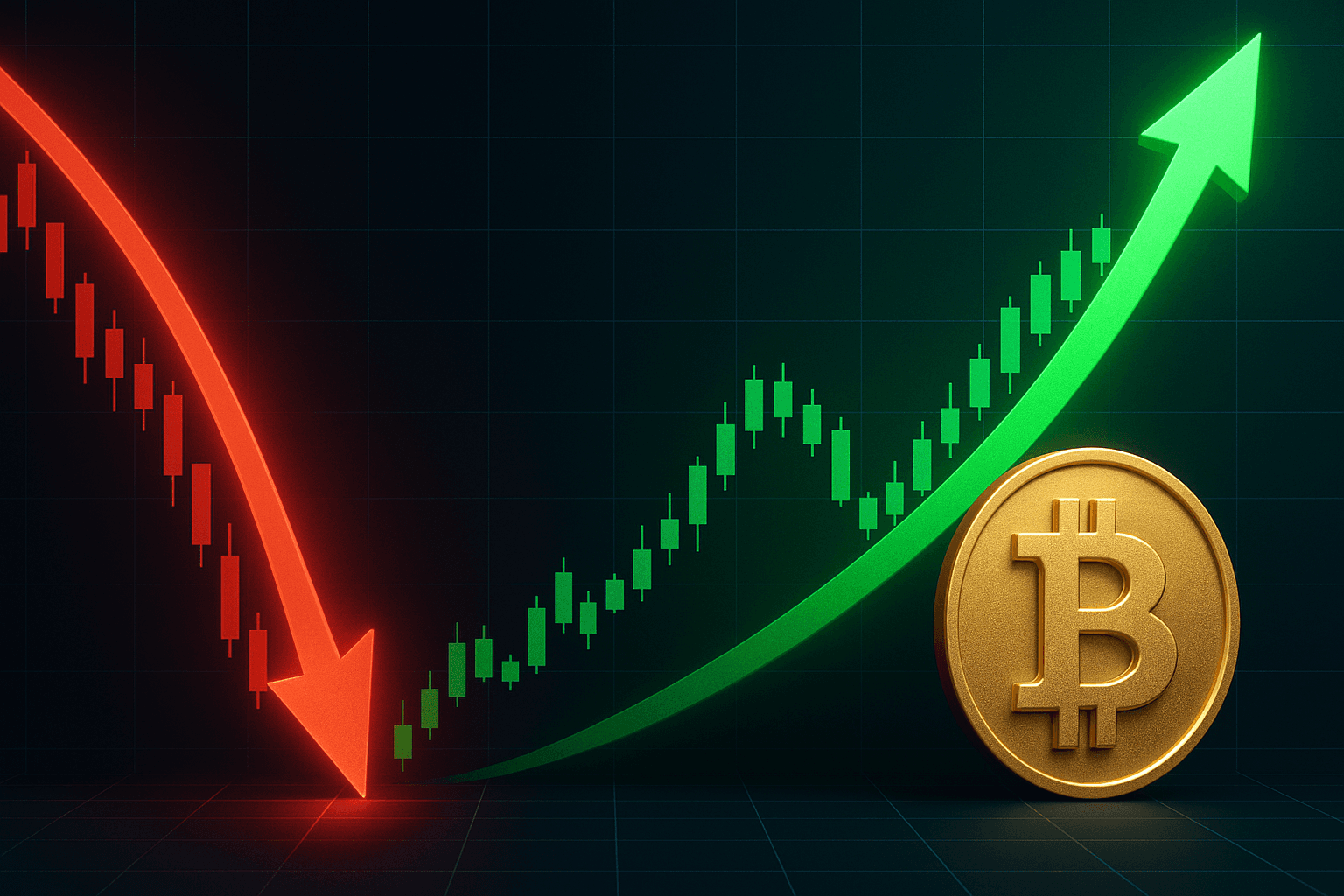
Japan's Stock Market Sees Sharp Decline Followed by Strong Recovery
The index dropped 25% before rebounding 67% within a ten-month period, marking a volatile trading environment.
Fact Check
The evidence provided by the sources overwhelmingly and consistently supports the statement that Japan's stock market experienced a period of decline followed by a period of recovery. The assessment is based on converging evidence from primary data, authoritative institutional reports, academic research, and major news outlets.The period of decline is firmly established by multiple sources. Authoritative reports from the International Monetary Fund and academic research papers specifically analyze Japan's 'Lost Decade,' which began after the country's asset price bubble burst around 1989. This event marked the start of a prolonged era of economic stagnation and falling stock prices. News reports from CNN, BBC, and CNBC reinforce this by highlighting that it took 34 years for the Nikkei 225 index to surpass its 1989 peak, which is definitive proof of a long-term decline or stagnation.The subsequent period of recovery is also clearly documented. Multiple news reports from early 2024 (CNN, CNBC, BBC) provide direct evidence of this recovery, announcing that the Nikkei 225 had not only reached but surpassed its 1989 all-time high, continuing to rally to new records. Other reports explicitly link a market surge to the 'Abenomics' economic stimulus plan, identifying a specific policy period that contributed to the recovery. Finally, the primary data sources from the St. Louis Fed (FRED) and Macrotrends, which provide historical data for the Nikkei 225 index, serve as the foundational evidence for these analyses. The raw data would visually and numerically confirm a peak in 1989, a long trough lasting decades, and a sharp, sustained rise in recent years. There are no contradictions among the sources; they all corroborate the same historical narrative, making the statement unequivocally true.
Summary
No Summary provided as the original text is short
Terms & Concepts
- Market Volatility: Refers to the degree of variation in trading prices over time, indicating the level of uncertainty or risk in a market.
- Stock Market Index: A statistical measure that tracks the performance of a group of stocks, representing a segment or the entirety of a market.