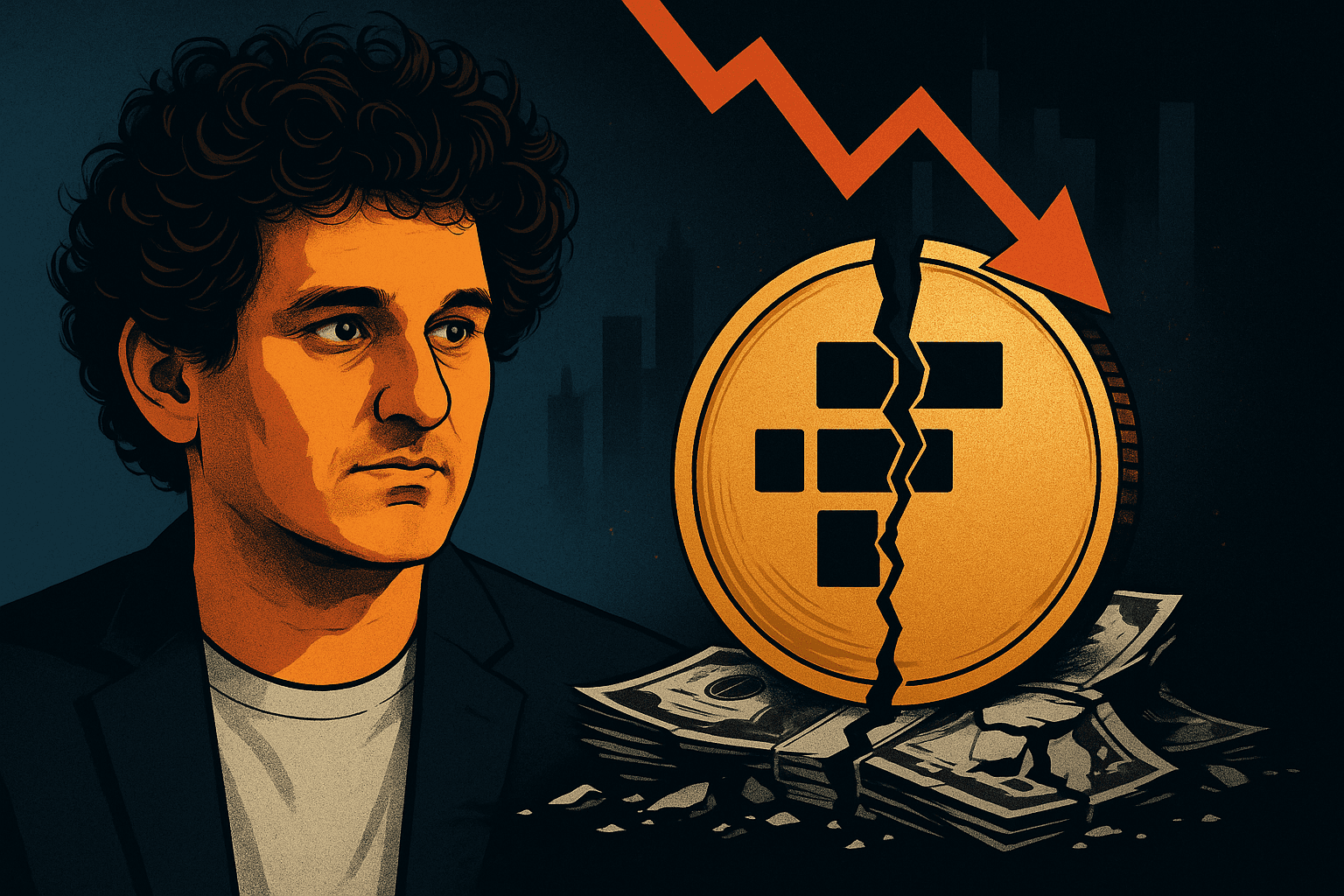
Sam Bankman-Fried Claims FTX Was Never Bankrupt Despite Legal Filing
Bankman-Fried’s new X post alleges FTX held over $100 billion in potential assets, shifting blame to bankruptcy lawyers amid a low-probability bid for presidential pardon.
Sam Bankman-Fried has posted a lengthy document on X asserting that FTX was never insolvent and blaming bankruptcy lawyers for the company’s collapse. The document includes hypothetical mark-to-market valuations of assets formerly held by FTX, such as Solana and Anthropic, suggesting these could total over $100 billion today, a claim that contradicts financial filings. Bankman-Fried’s renewed assertions form part of a broader effort to reframe his conviction, which includes lobbying for a presidential pardon via Trump-connected lawyer Kory Langhofer and a jailhouse interview with Tucker Carlson. Prediction market data indicates this pardon has roughly a 10% probability.
- Bankruptcy Filing: A legal process in which an entity declares inability to meet its debt obligations, seeking protection or restructuring under bankruptcy laws.
- FTX: A cryptocurrency exchange founded by Sam Bankman-Fried, once a major platform for digital asset trading before its collapse in 2022.
- Mark-to-Market: An accounting method valuing assets based on current market prices rather than purchase cost or book value.