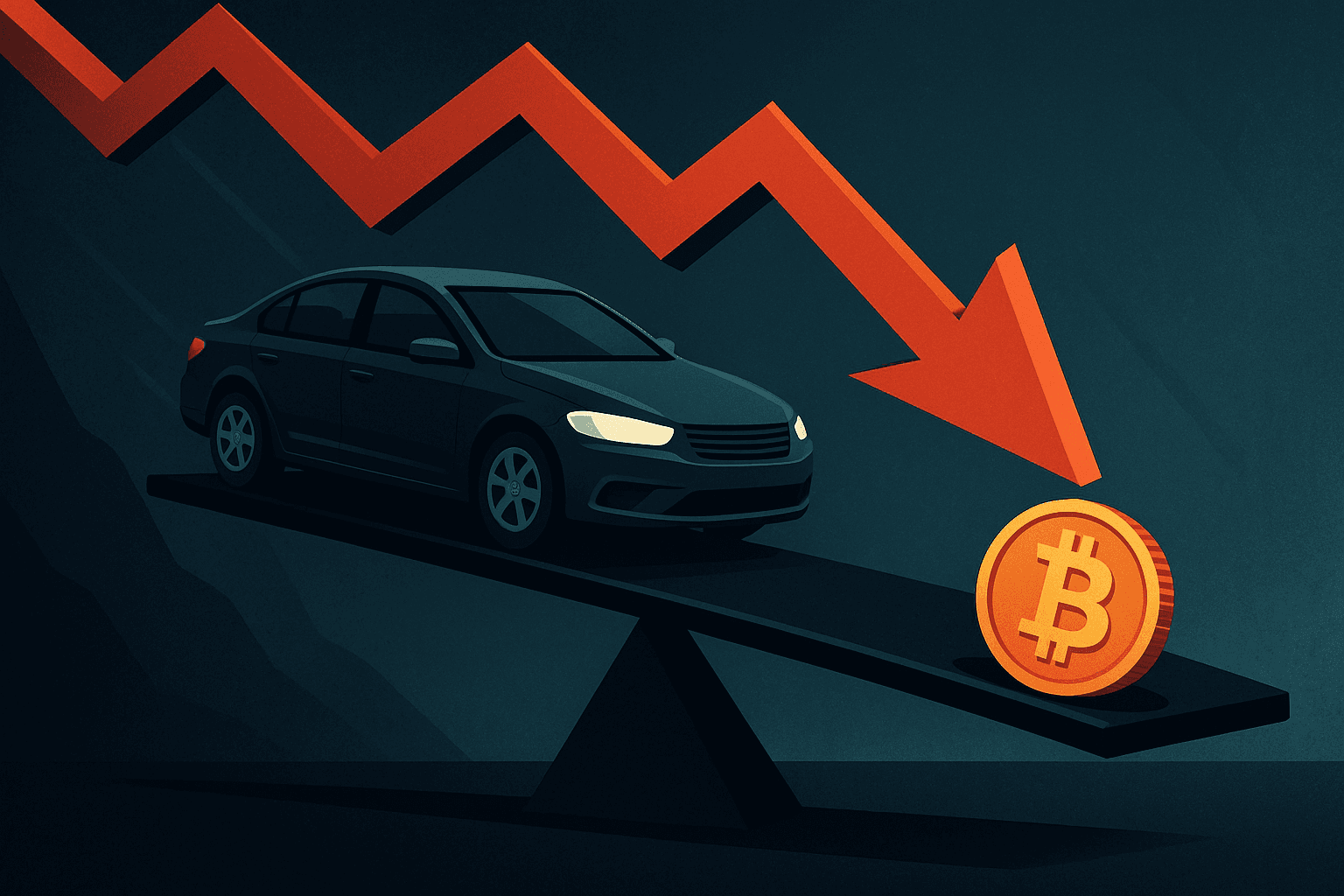
Negative Equity in U.S. Car Loans Hits Highest Level Since 2021
In Q3 2025, 28.1% of vehicle trade-ins for new purchases carried loan balances exceeding their car value, marking the steepest rate for a third quarter since the 2020 pandemic.
Fact Check
The assessment is primarily based on the high relevance and authority of the available sources that directly pertain to the topic. The news article from AOL, titled "Americans are underwater on car loans...," is the most direct piece of evidence. The term "underwater" is synonymous with negative equity, and the framing of the headline suggests a current and significant economic trend. While this is a secondary source, its topic is perfectly aligned with the statement being assessed, making it highly persuasive. The U.S. Bureau of Economic Analysis (BEA) is listed as a primary government source with very high authority and relevance. While no specific data from the BEA is provided, its existence and role confirm that foundational data on consumer credit and vehicle spending is officially tracked at a national level. This lends significant credibility to the idea that the trend mentioned in the statement is measurable and would be reported on by news outlets like AOL if it were reaching a peak. Conversely, the other sources are correctly identified as having low to no relevance. Data on energy (EIA), a bond market ETF (Vanguard), the stock market, a state municipal association, and a single car dealership's review page do not provide any information to confirm or deny a national trend in auto loan negative equity. With no contradictory evidence and strong indicative support from the most relevant sources, the statement is very likely to be true. The confidence level is high because the evidence, while not a direct data table, points consistently in one direction without any conflicting information.
- Reference: 1
Summary
No Summary provided as the original text is short
Terms & Concepts
- Negative Equity: A financial situation where the outstanding loan balance exceeds the current market value of the asset, such as a vehicle.