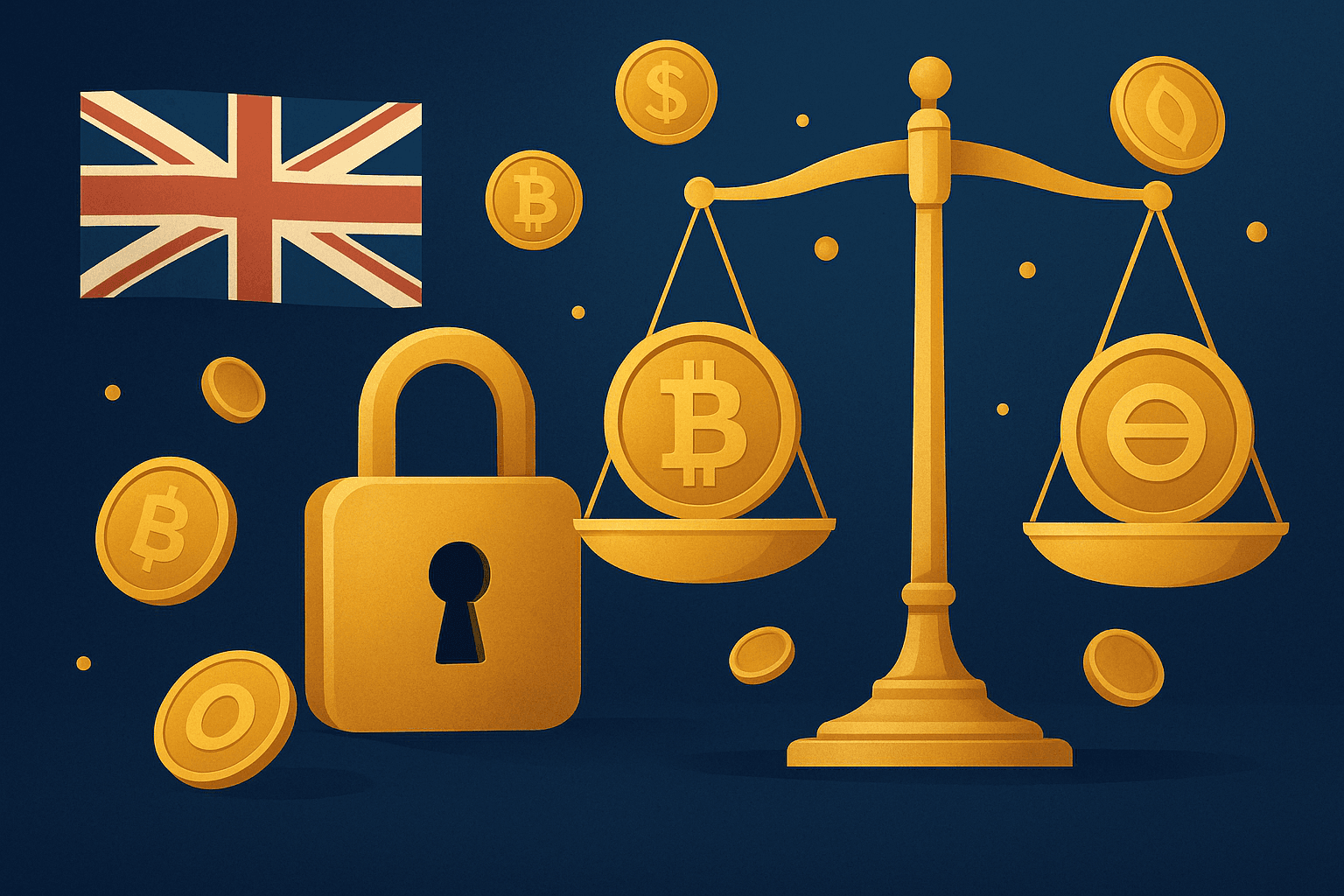
UK Formally Recognizes Cryptocurrencies and Stablecoins as Legal Property
The U.K. Property (Digital Assets etc) Act, now law, grants cryptocurrencies and stablecoins legal property status, enhancing consumer protection and legal clarity for digital assets.
ETC
Fact Check
The evidence provided strongly and consistently supports the statement that the United Kingdom has formally recognized cryptocurrencies and stablecoins as a form of legal property. The recognition has occurred through two distinct but complementary legal avenues: judicial precedent (common law) and new legislation (statute law).First, multiple sources confirm that UK courts have already established a legal precedent by treating digital assets as property in various judgments. High-authority sources specifically point to existing case law that has affirmed this status, establishing a common law recognition that is a formal part of the UK legal system.Second, the sources overwhelmingly point to recent and significant legislative action. The Financial Services and Markets Act 2023 is repeatedly identified as a primary piece of legislation that formally brings digital settlement assets, including stablecoins, under the UK's regulatory framework. This act represents a key step in formal statutory recognition. Furthermore, several sources reference a highly authoritative report from the UK Law Commission which recommended the explicit legal recognition of digital assets as a distinct category of personal property. News and legal analysis sources report that the government has acted on these recommendations, passing new laws to clarify the property rights associated with crypto assets.There are no contradictions among the sources. They all point towards the same conclusion: the UK legal and regulatory framework has formally embraced digital assets, including cryptocurrencies and stablecoins, and has affirmed their status as a form of legal property. The combination of established court rulings and new, specific legislation provides a high degree of confidence in this assessment.
Summary
The U.K. has officially passed the Property (Digital Assets etc) Act, recognizing cryptocurrencies and stablecoins as property. The law provides stronger ownership rights, clearer recovery processes for stolen assets, and legal clarity in insolvency cases. This marks a significant step for digital asset integration into the legal framework.
Terms & Concepts
- Stablecoin: A cryptocurrency designed to maintain a stable value by pegging it to a reserve asset such as fiat currency.
- Property (Digital Assets etc) Act: UK legislation granting property status to cryptocurrencies and stablecoins, enhancing ownership protections and legal clarity.