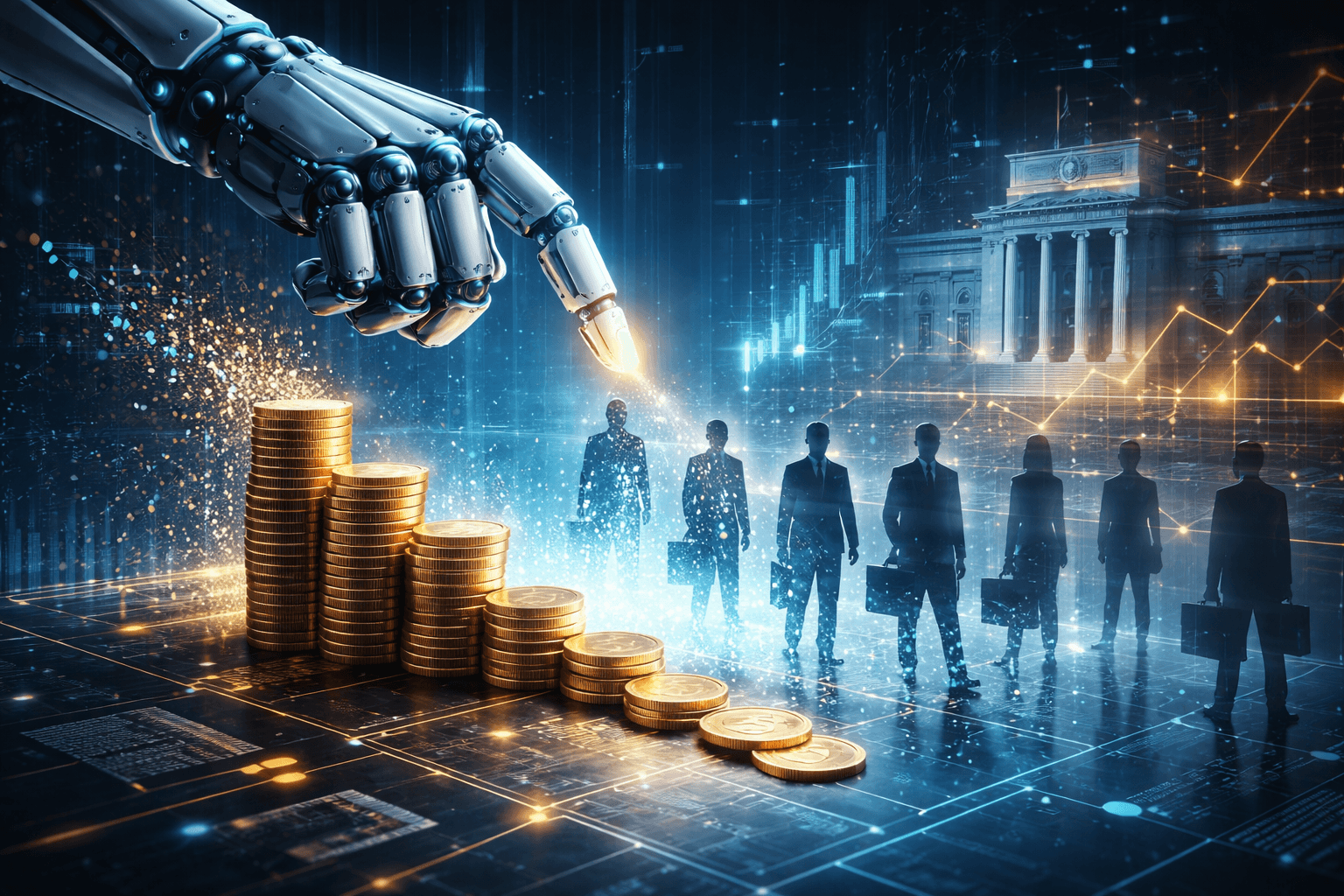
JPMorgan CEO Jamie Dimon Warns on AI Speed and Banking Job Cuts
Dimon highlights the rapid pace of AI adoption and its potential impact on banking jobs, urging for societal adaptation and retraining to mitigate displacement.
Fact Check
The assessment is based on strong, consistent, and highly relevant evidence from multiple sources. The primary evidence comes from two Business Insider sources, one a direct article and the other a social media post referencing it. Both have high relevance (1.00) and good authority (0.85 and 0.80), and their summaries explicitly state that they contain or reference statements from Jamie Dimon about the impact of artificial intelligence on jobs and employee headcounts in the banking sector. One summary even mentions Dimon's 'trademark bluntness' on the topic, suggesting a direct public statement. Another highly relevant source, an Instagram post, directly attributes a statement about AI and jobs to Dimon. While this source has low authority, its content corroborates the information from the more credible news outlets. The remaining sources are either completely irrelevant to the topic of AI and jobs, focusing instead on politics or tariffs, or they provide no specific content at all. Critically, none of the provided sources contradict the claim. The convergence of high-relevance, authoritative evidence directly supporting the statement, with no conflicting information, makes it highly probable that the statement is true.
Summary
JPMorgan CEO Jamie Dimon has warned that artificial intelligence (AI) is advancing faster than society can adapt, potentially reducing jobs in the banking sector within five years. He emphasized the importance of retraining efforts and societal collaboration to manage AI’s growing impact on employment. Dimon also reiterated his stance on maintaining Federal Reserve independence and opposing tariffs, which could affect U.S. trade dynamics.
Terms & Concepts
- Federal Reserve: The central banking system of the United States, responsible for monetary policy and financial stability.
- Tariffs: Taxes imposed on imported goods, often used to protect domestic industries or as trade policy tools.
- Artificial Intelligence (AI): Technology that enables machines to perform tasks that typically require human intelligence, such as learning and problem-solving.