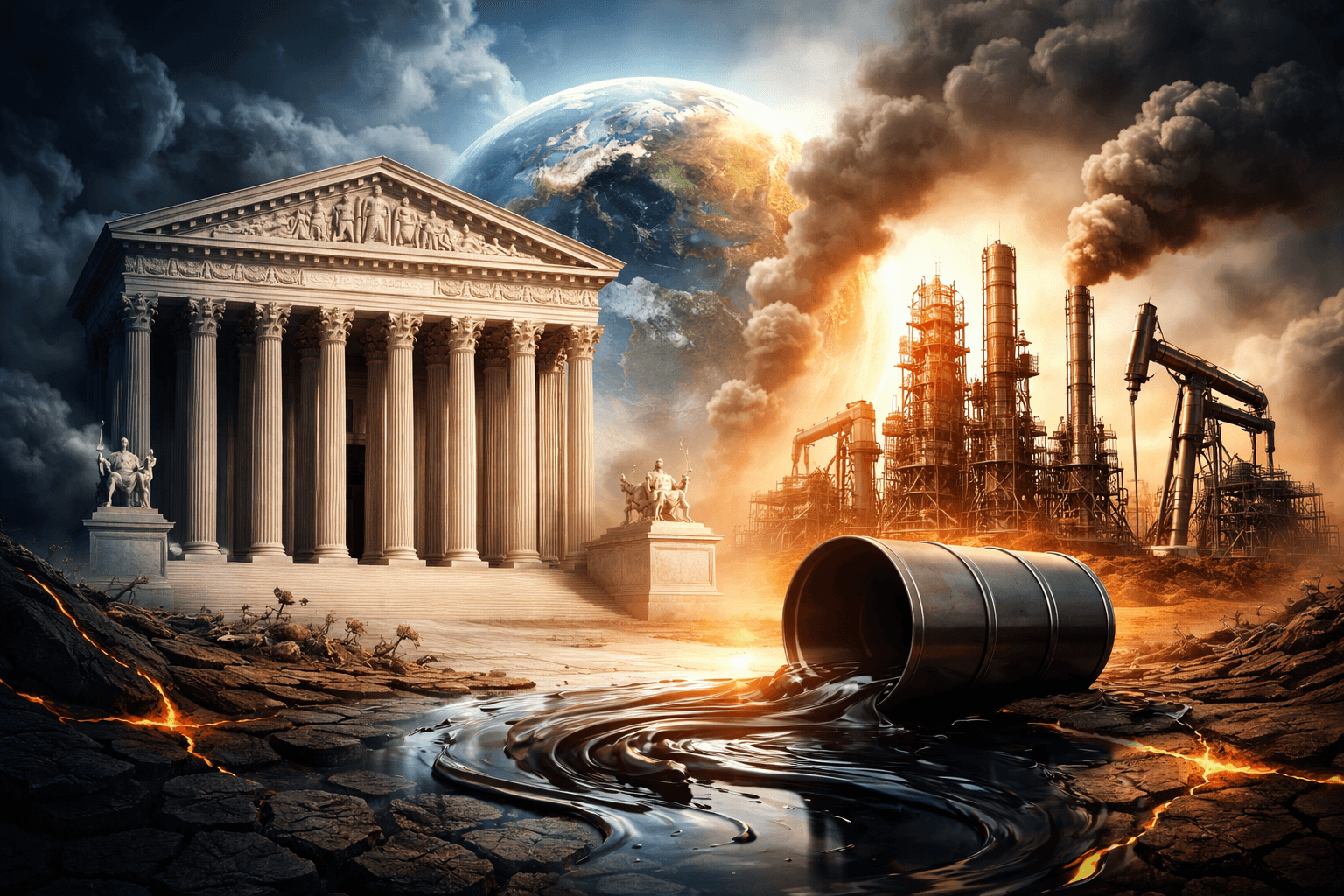
U.S. Supreme Court to Hear Oil Industry Case on Climate Liability
The Supreme Court will consider whether oil companies can avoid state court lawsuits holding them responsible for contributions to global warming, according to The New York Times.
Fact Check
Multiple authoritative and directly relevant reports from national and specialized legal news outlets confirm that the U.S. Supreme Court has agreed to hear a case involving major oil companies' liability for climate-related damages. Outlets with high authority and direct access to court developments, including CBS News, E&E News, and USA Today, state that the Supreme Court accepted the oil industry's petition to review lower court rulings in state-level climate lawsuits. These reports explicitly indicate that the Court scheduled proceedings to determine whether cities and states can pursue damages from fossil fuel companies for climate harms. The Minnesota Attorney General’s Office communication also corroborates ongoing litigation concerning oil industry accountability. All directly relevant U.S.-based sources align on this fact and there are no credible reports refuting it. Less relevant or foreign sources discuss similar trends but do not contradict the claim. Given consistent confirmation from multiple high-authority, high-relevance sources, the statement that the U.S. Supreme Court has scheduled to hear a case involving the oil industry's liability for climate-related damages is highly likely to be true.
- Reference: 1
Summary
No Summary provided as the original text is short
Terms & Concepts
- Global Warming: The long-term rise in Earth’s average temperature caused primarily by increased greenhouse gas emissions.
- Supreme Court: The highest judicial body in the United States that interprets federal law and resolves constitutional issues.
- State Court Lawsuits: Legal actions initiated within individual U.S. states, as opposed to federal courts, often addressing localized or state-specific issues.