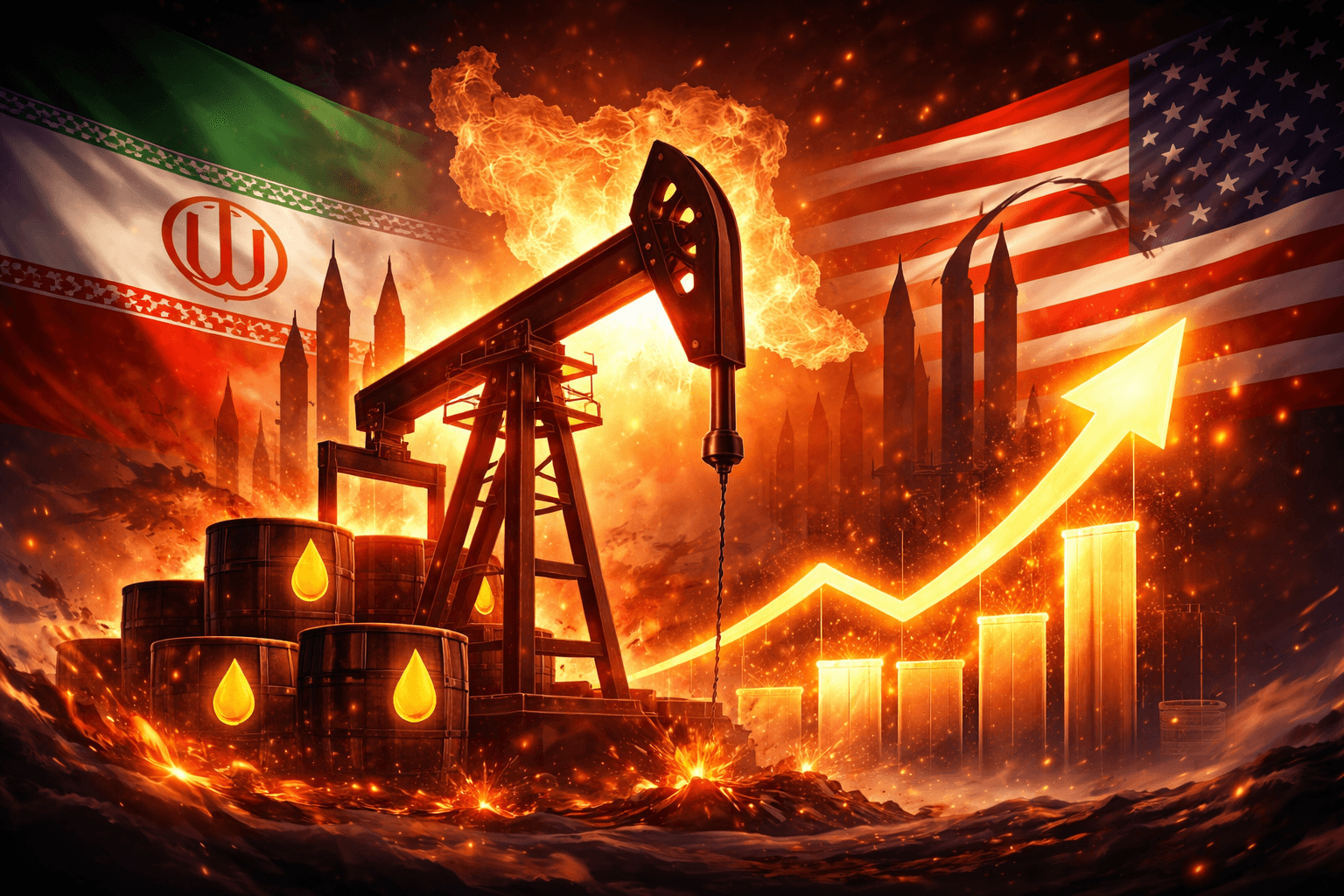
US-Iran Tensions Could Drive Oil Prices Up $10–$20
Analysts warn that continued military escalation without signs of deescalation may significantly raise global crude prices.
Fact Check
Multiple high-credibility outlets explicitly forecast oil price gains in the $10–$20 range tied to escalating U.S.–Iran tensions. A CNN analysis projects a $10–12 per barrel increase under a U.S. attack scenario, directly supporting the lower end. Reuters reports both an immediate double-digit percentage jump and analyst views that prices could rise by as much as $20, while another Reuters piece cites a $4–$10 geopolitical risk premium attributable to the same tensions—together bracketing the stated range. Additional reporting and analysis from CNBC and The Guardian highlight surge risks linked to conflict escalation and potential Strait of Hormuz disruptions, and research/ commentary from J.P. Morgan and the Financial Times reinforce that geopolitical shocks can add substantial upside to prices, often discussed in $10 increments. There is no strong contradictory evidence; a note about temporary price stability due to inventory builds does not negate the presence of widely cited $10–$20 upside predictions. Overall, the evidence is consistent and authoritative that such forecasts were being made.
Summary
No Summary provided as the original text is short
Terms & Concepts
- Oil Price Volatility: Rapid changes in crude oil prices driven by geopolitical events, supply disruptions, or shifts in market sentiment.
- Geopolitical Risk: The potential for political or military events to impact markets, especially commodities like oil.
- Crude Oil: Unrefined petroleum used to produce fuels and other products; its price is a key global economic indicator.